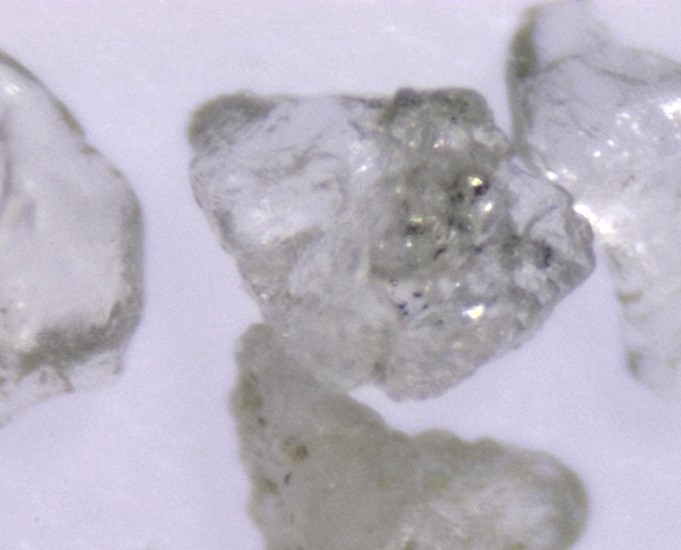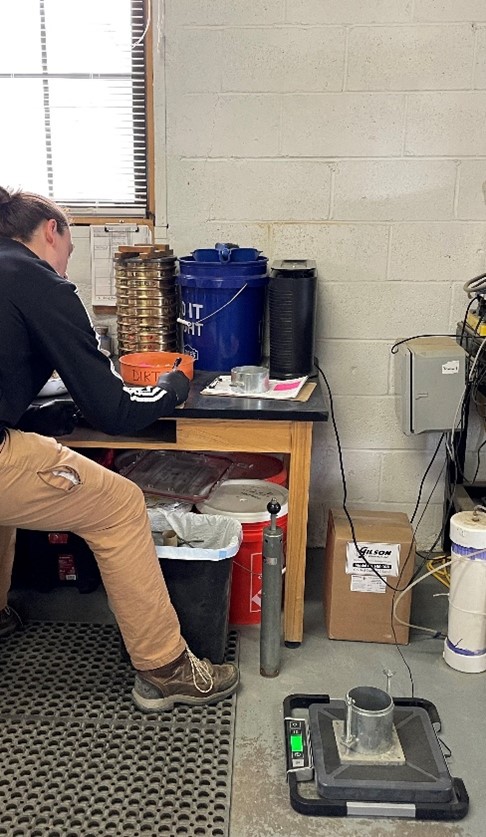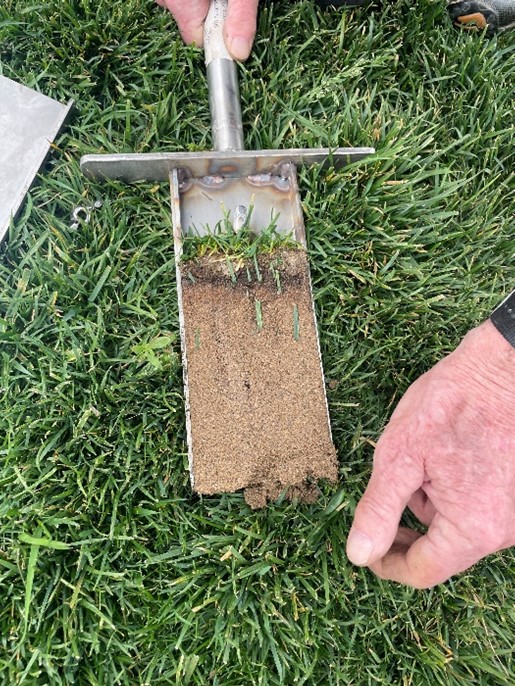
Particle size distribution is primarily evaluated using laser diffraction, which provides excellent repeatability, rapid turnaround, and reliable results from small sample sizes. This approach is particularly important for synthetic and turf surfaces, where sample availability is often limited. Testing is conducted using a Malvern Mastersizer 3000, with initial screening through a No. 10 (2 mm) sieve to remove coarse material. Particle size data are then reported across defined size classes.
Unlike traditional sieve and hydrometer methods, laser diffraction results are reported on a volumetric basis rather than by mass, so caution should be exercised when making direct comparisons.
For racing surfaces, all seven standard samples are analyzed using laser diffraction to assess material consistency across the track profile. In addition, at least one representative sample is tested using traditional sedimentation methods, sieve and hydrometer, for historical comparison.
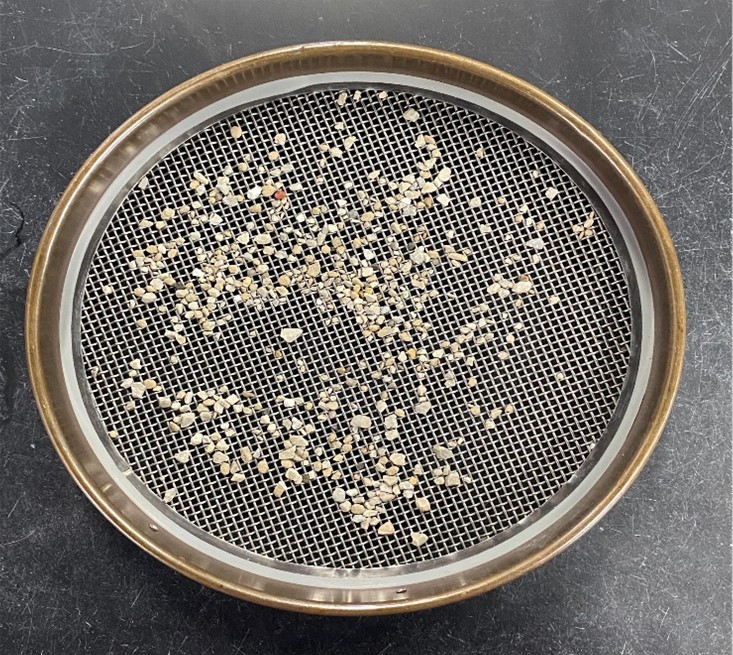
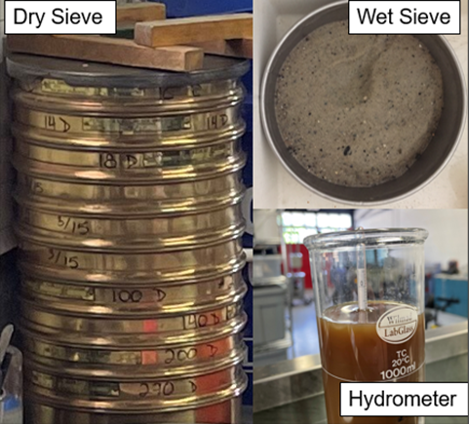
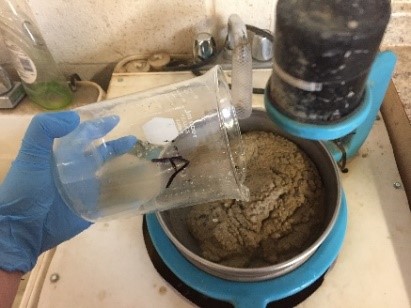
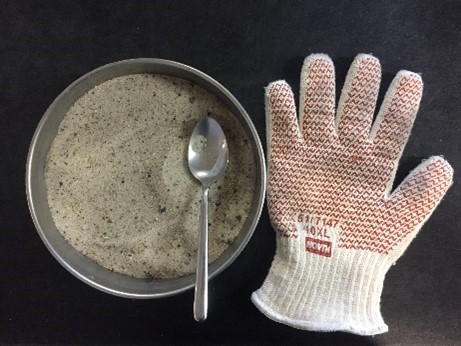
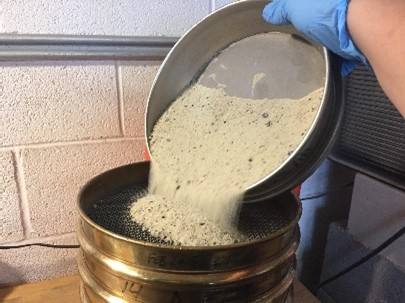
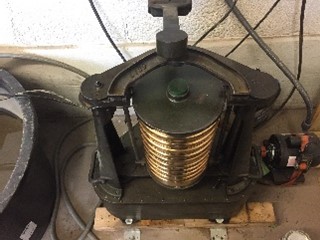
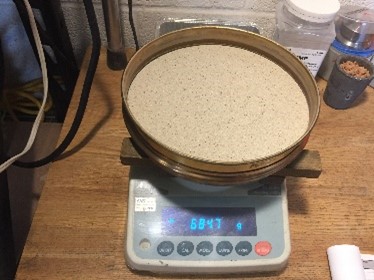
Wet sieving through a No. 270 sieve is used to remove fine material. The remaining dried material is then analyzed using a full sieve stack consisting of:
No. 10 (2.00 mm), No. 14 (1.41 mm), No. 18 (1.00 mm), No. 35 (0.50 mm), No. 40 (0.42 mm), No. 60 (0.25 mm), No. 100 (0.149 mm), No. 140 (0.105 mm), No. 200 (0.074 mm), No. 270 (0.053 mm), and a pan.
Hydrometer testing is performed on the fine fraction to fully characterize clay and silt-sized particles and to verify that the fine material has been properly measured by combining both methods in a single percentage retained graph. These results are then combined with sieve data to provide a complete particle size distribution.
Results from both laser diffraction and sieve-hydrometer testing can be reported using agricultural, engineering, or foundry classifications. Comparative datasets are available for nearly all North American Thoroughbred racetracks, as well as more than 50 training centers and arenas.
Organic content testing is conducted to identify materials that may influence moisture retention, degradation, or surface consistency, while salt content testing evaluates salinity that can affect moisture behavior, cohesion, and long-term performance. Together, these analyses complement sieve-hydrometer and laser diffraction results to provide a comprehensive characterization of racing surface materials.
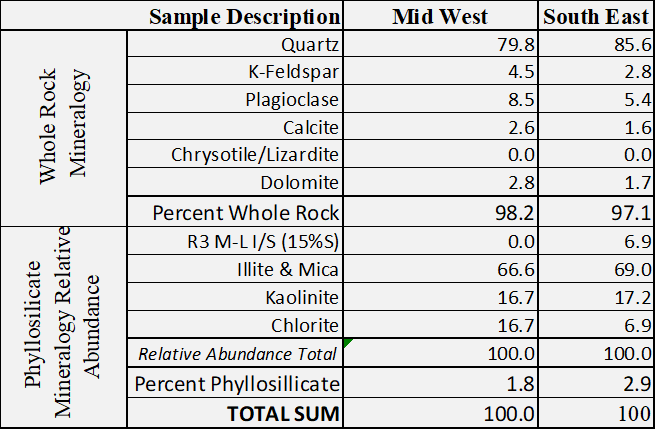
Mineralogical composition and characterization are evaluated using X-Ray Diffraction (XRD) to better understand the surfaces interaction with water, particle durability, and long-term performance of racing surface materials. This testing is performed in collaboration with K/T GeoServices Inc., an outside laboratory located in Gunnison, Colorado. (K/T Geo Services Website)
Results are reported for both whole-rock mineralogy and clay mineralogy, providing insight into material behavior under varying conditions. Comparative mineralogical data is available for nearly every thoroughbred racetrack in North America.
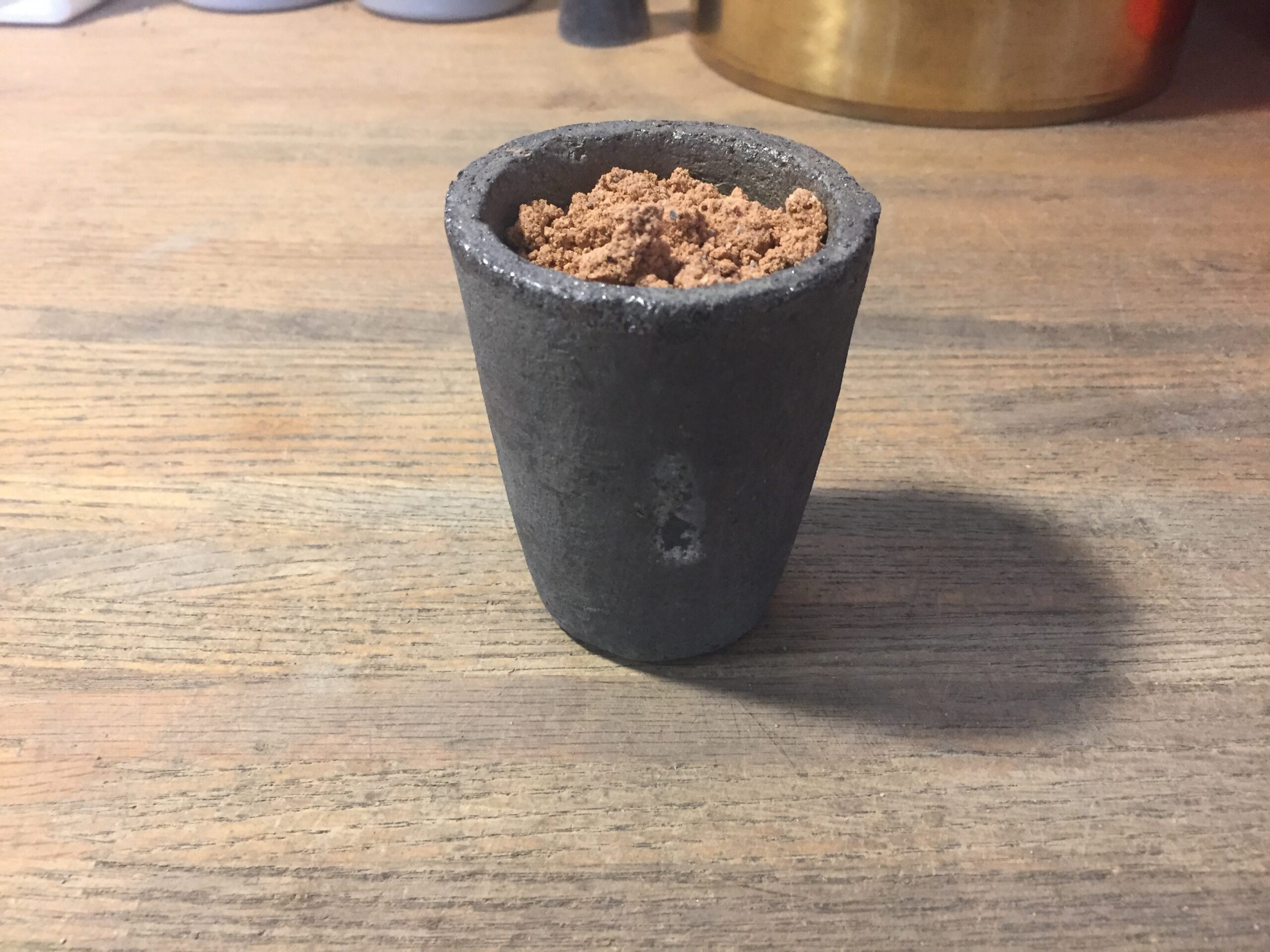
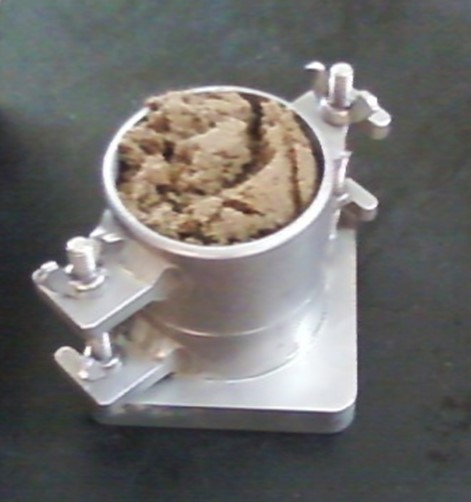
Bulk density testing is critical for understanding track material compaction behavior and determining the optimal moisture content for proper hardpan development. Because racing surfaces contain relatively little coarse material, testing can be performed using a small-mold compaction method with a proportionally reduced compaction hammer, minimizing material requirements while maintaining accuracy.
Compaction is performed using a controlled, repeatable multi-lift procedure with standardized hammer drops. It is also performed across a range of moisture contents to identify the moisture condition that provides effective compaction while remaining below the threshold at which the surface structure begins to deform. Gravimetric moisture content is measured to document in-situ moisture conditions at the time of sampling and to support interpretation of compaction and material behavior correlated to on-site conditions.
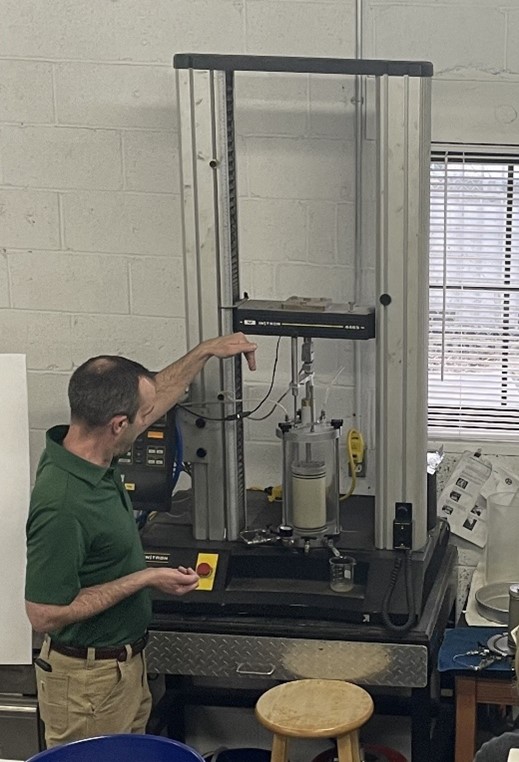
Triaxial shear strength testing is used to evaluate the strength and deformation behavior of racing surface materials under controlled confining pressure and moisture conditions. This testing characterizes material response under applied loading, including shear resistance and changes in strength with varying moisture content, such as loads representative of racing activity and routine maintenance equipment.
Samples are prepared using standardized molds and compaction procedures and are loaded in a controlled manner to ensure repeatable and comparable results. Testing is conducted across multiple moisture contents and confining pressures to assess material behavior under a range of conditions.
Results support evaluation of surface stability, consistency, and performance and may be used to compare materials, track profiles, or construction and maintenance practices.
The laboratory testing of synthetic racing surface materials requires separation of the components prior to evaluating changes in the components that may have occurred as a result of wear or chemical degradation. For surfaces with a wax or other binder the first step is the removal of the binder from the fiber, sand and any elastomeric or granular plastic materials. The separation is performed using a Soxhlet extraction. The resulting components are then evaluated separately.
Primary evaluation of the wax binder is Differential Scanning Calorimetry (DSC) to evaluate the thermal properties of the wax binder which affect the performance of the material. In particular the glass transition temperature, where the wax becomes vicious or rubbery instead of brittle and the melting temperature where the wax becomes liquid are measured. In some cases Gas Chromatography (GC) is also used to identify chain lengths of the wax binder and Fourier Transform Infrared Spectroscopy (FTIR) is used to determine the chemical compound groups, relative oxidation, and “fingerprint” of the wax binder.
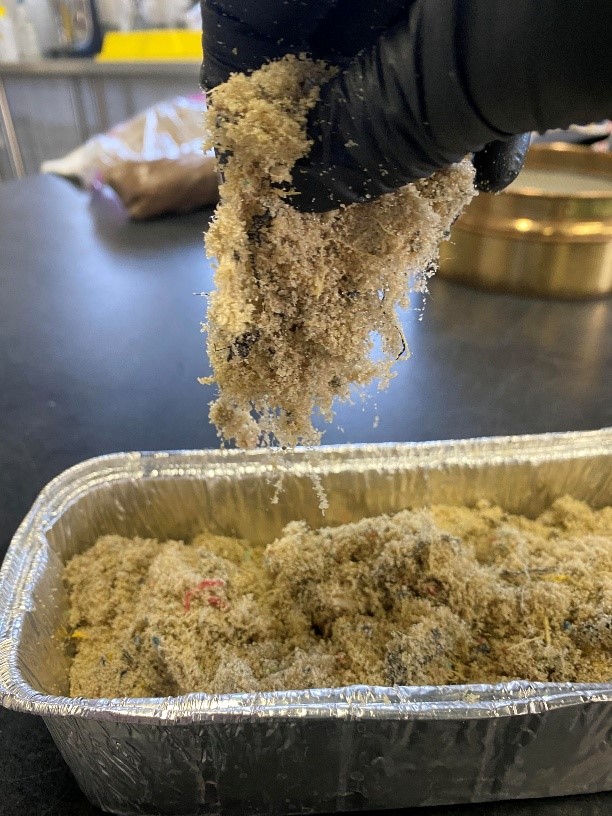
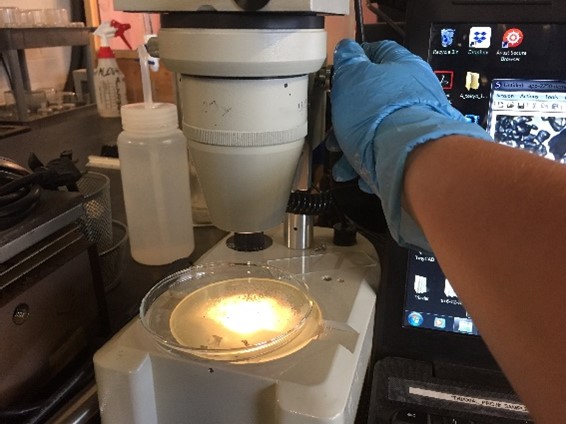
The fiber removed from the sample using the Soxhlet extraction is also characterized using Fourier Transform Infrared Spectroscopy (FTIR). To determine the material types which may include polyethylene, nylon and polyester fibers. All identified fiber types are also measured to determine approximate lengths and widths.
Elastomeric or small plastic crumb material is removed from the sand and the sand is then characterized in the same manner that is it characterized for turf or dirt tracks. X-Ray Diffraction is used to evaluate mineralogy and durability. Synthetic tracks typically have a very high quartz content for the sand used in synthetic racetrack materials. The particle size distribution is determined using laser diffraction which is well suited to the smaller quantities of sand that result from a typical Soxlet extraction.
Overall laboratory evaluation of synthetic materials includes the proportion of sand, fiber and binder, types and length of fibers and the thermal transitions in the wax. Like all types of surfaces the quality and size of the sand is also a primary concern.
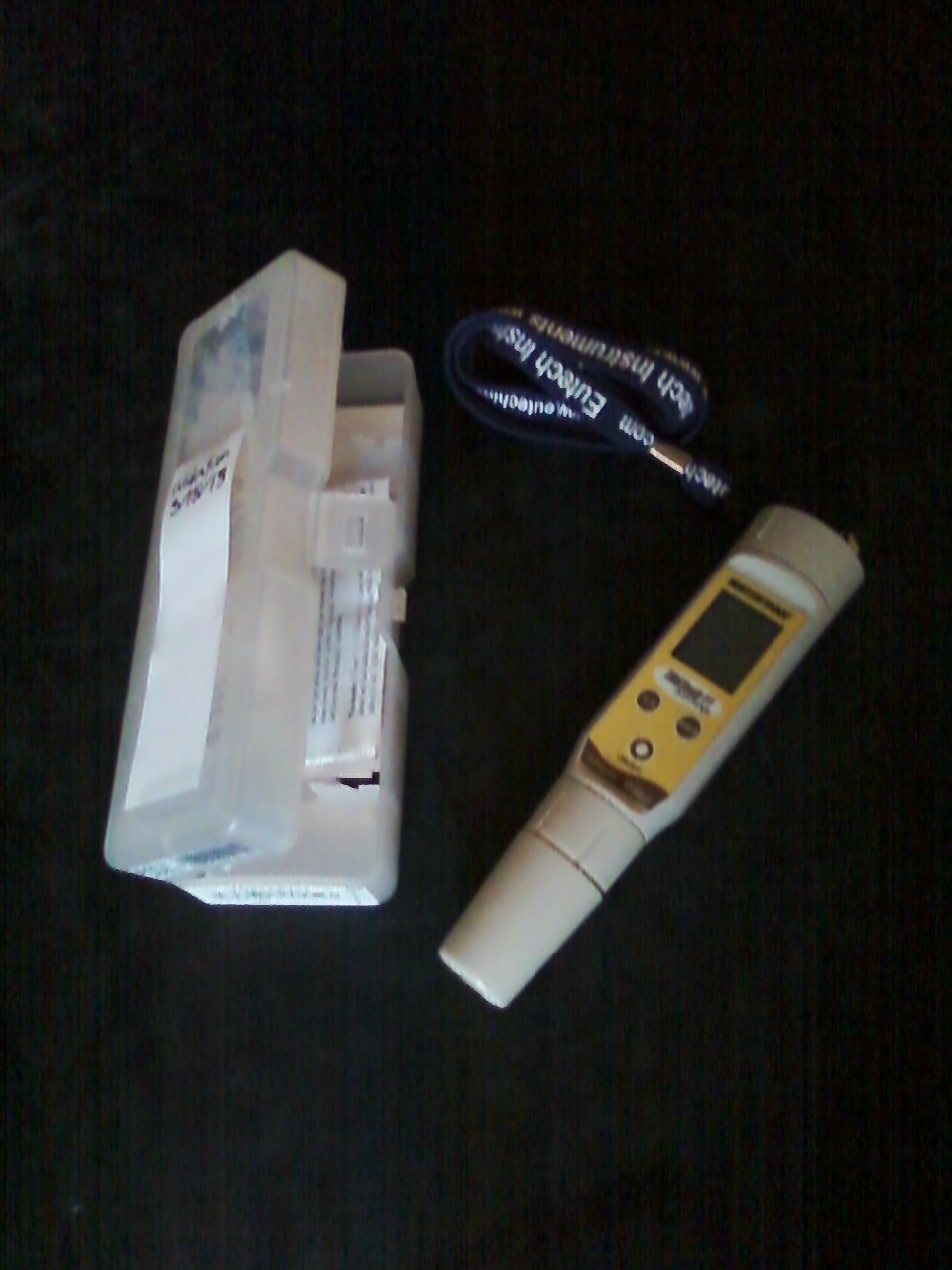
In addition to salinity, organic content, particle shape and sand particle size distribution, the turf’s growing medium is tested to measure key chemical properties of the soil. Testing typically includes nutrient percentages (N, P, K), which indicate the concentrations of major elements in the soil, cation exchange capacity (CEC), which reflects the soil’s ability to retain and exchange nutrients, pH, which indicates soil acidity or alkalinity, and other standard soil parameters.
Results include a comprehensive dataset for turf management and research purposes.